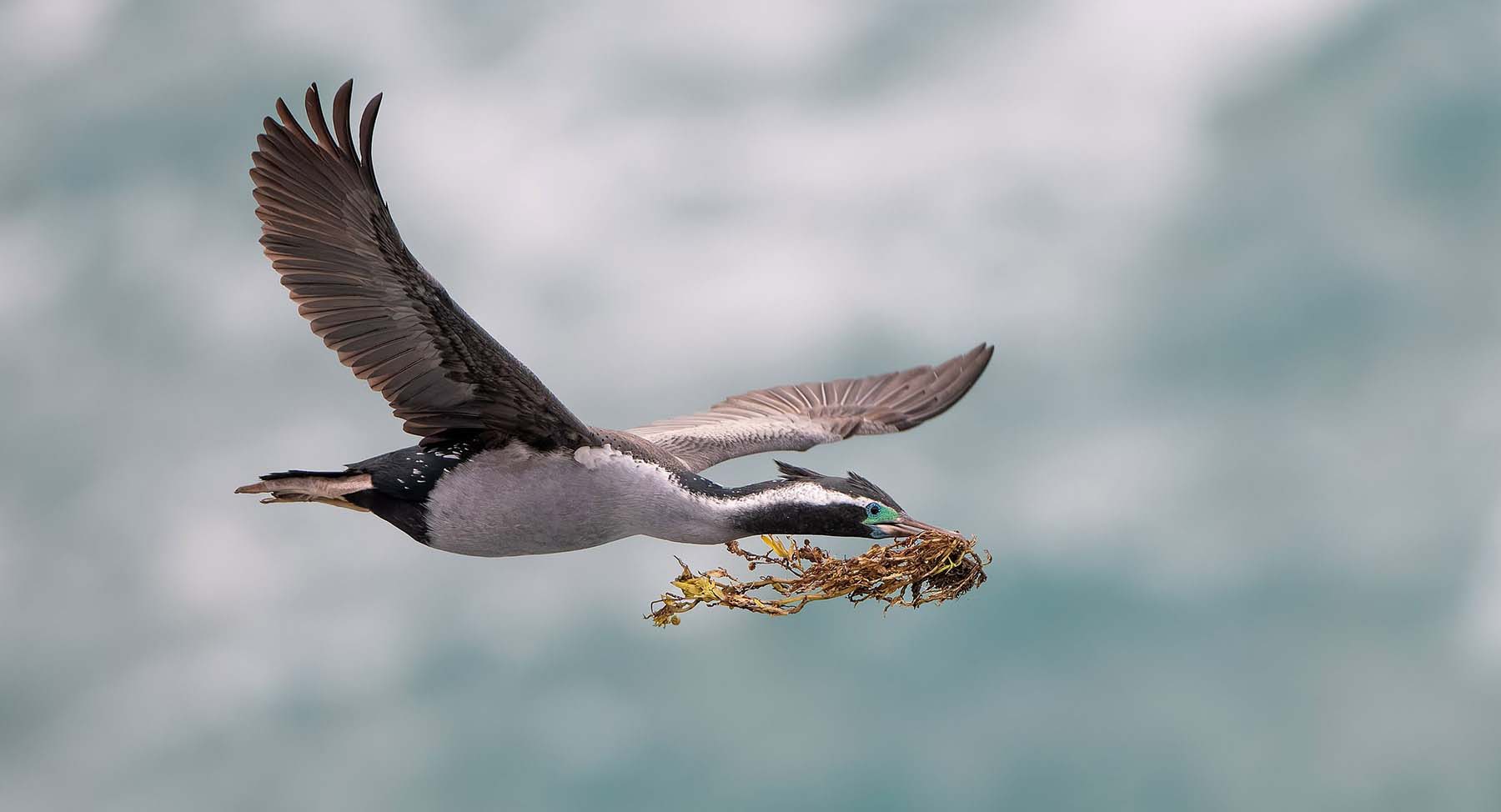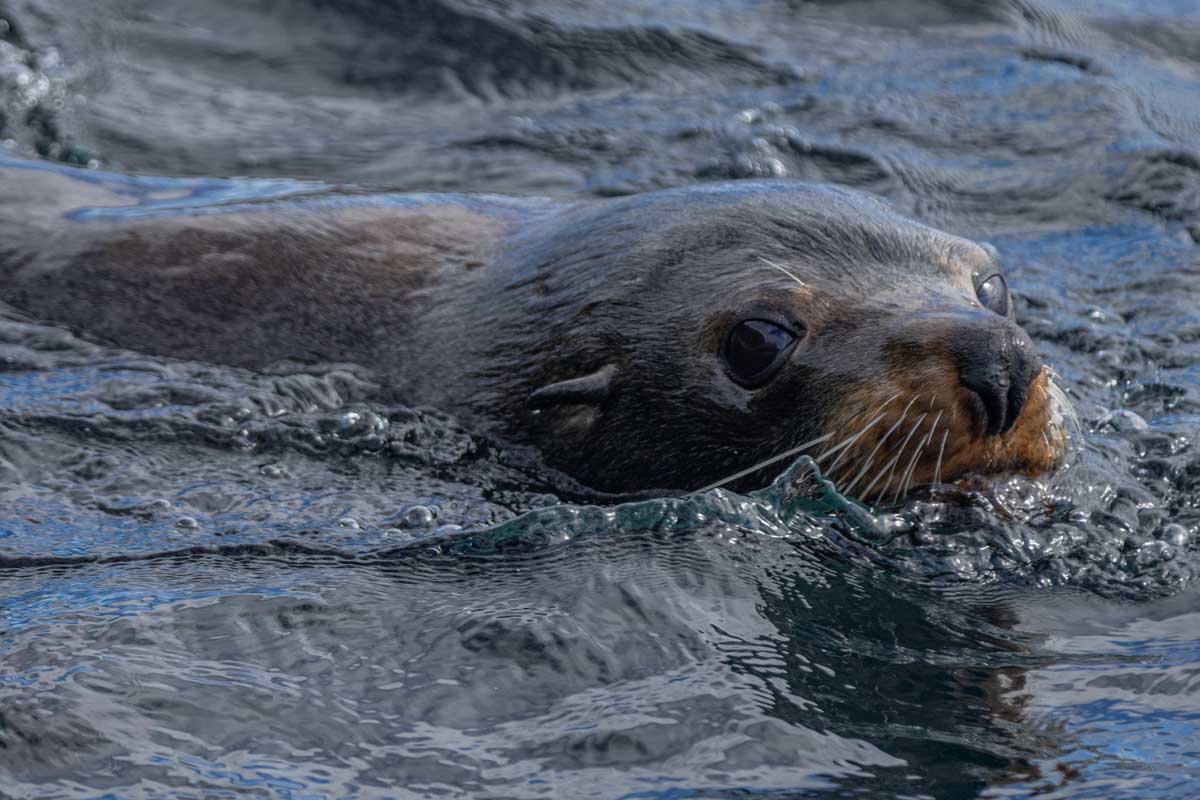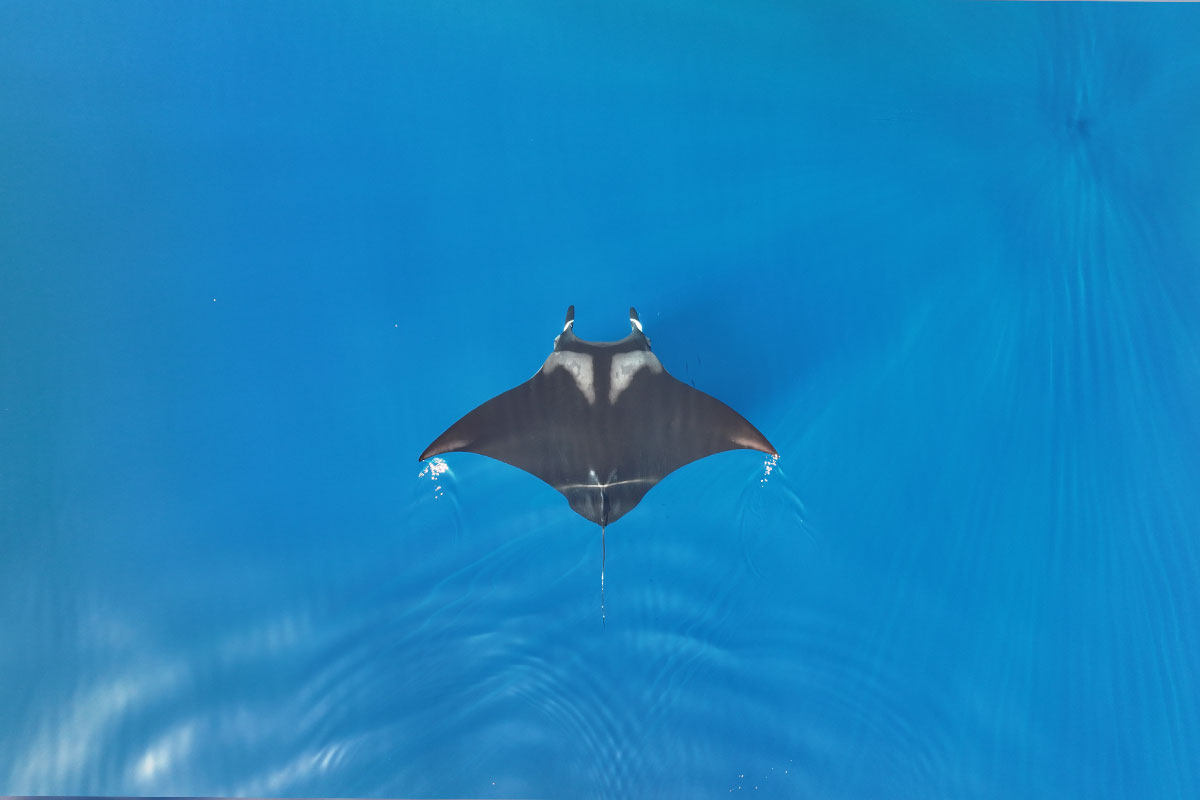
Long-distance travellers – seabirds, whales, manta rays and other migratory fish – don’t recognise borders. Drawn to the nutrient-rich waters of Tīkapa Moana / Te Moananui-ā-Toi to feed and find seasonal shelter, their safe onward journey depends on global collaboration, and that’s where the High Seas Treaty comes in.
Decisions made far beyond New Zealand’s shores directly shape the health and biodiversity of the seas we know best, including the Hauraki Gulf Marine Park. That’s why international agreements like the High Seas Treaty matter to our local mahi.
Aotearoa New Zealand: an ocean giant
We are 90% moana but for an ocean giant our voice on ocean protection has been nothing more than a whisper. The Hauraki Gulf Tīkapa Moana / Te Moananui-ā-Toi is an international seabird hotspot and a whale superhighway. What we do here, including fishing practices and marine protection, effects the success of global species and ecosystems. Likewise, activities happening out on the high seas impact the wildlife that make the Marine Pak their home for part for the year. The Marine Park is connected to global ecosystems and that requires acknowledgement, collaboration, participation and action.
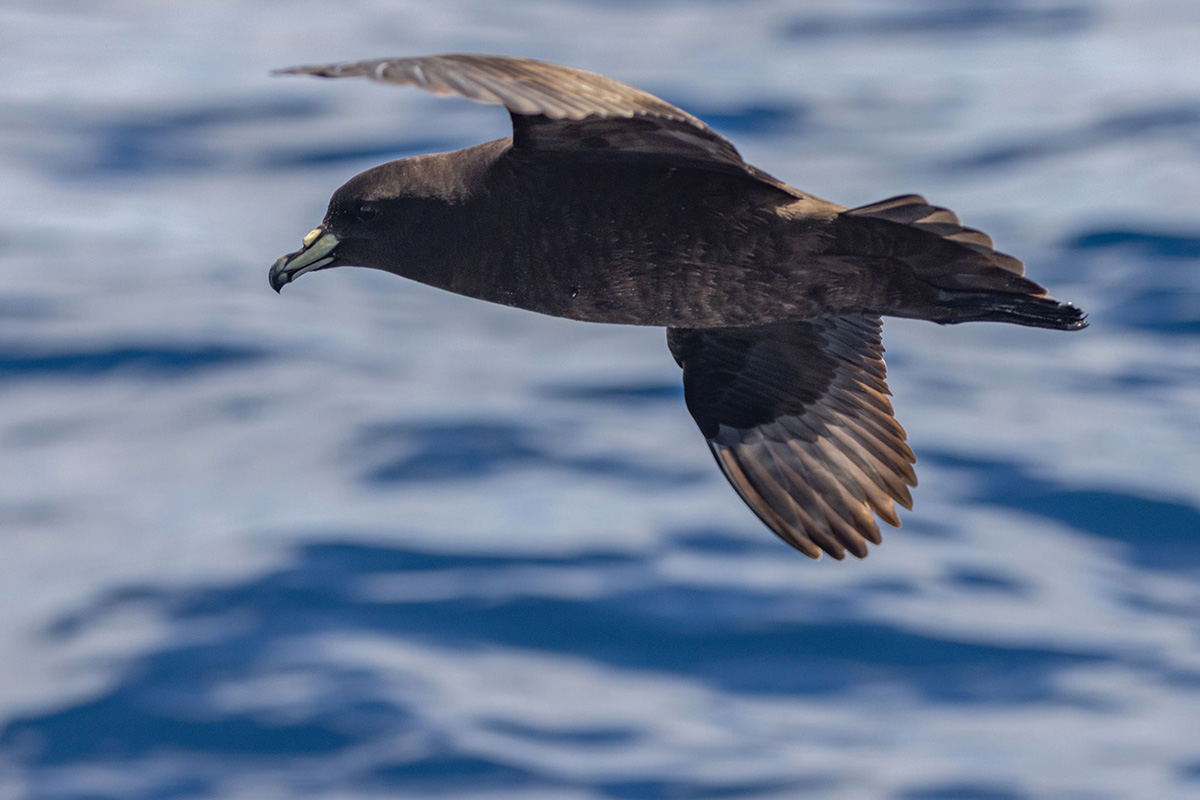
“Our tākoketai / black petrel nest nowhere else in the world but here in the Gulf, and they are threatened with extinction. The high seas are their local grocery store; they regularly cross into international waters on multi-day fishing trips, working hard to bring home enough food for a single chick back on the motu / islands.”
– Nicola Rata-MacDonald, Co-Chair of the Hauraki Gulf Forum
What does Biodiversity Beyond National Jurisdiction (BBNJ) actually mean?
Biodiversity Beyond National Jurisdiction refers to ocean life that occupies the deep, often-unseen areas that sit outside any country’s legal control. Referred to as the ‘high seas’ these areas are vast. They cover almost half the planet and play a critical role in regulating climate, supporting food webs and migratory species.
Many of the fish, seabirds, and marine mammals we care about locally don’t stay in one place. They move between offshore waters and coastal environments. When biodiversity is degraded in the high seas, the impacts don’t stay there, they travel. Often straight back to our coasts.
What is the High Seas Treaty?
The High Seas Treaty is a global agreement designed to better protect ocean ecosystems beyond national boundaries, or ‘BBNJ’. It creates a framework for establishing marine protected areas, assessing environmental impacts of offshore activities, and improving international cooperation around ocean science and management.
In essence, it gives the global community a shared set of tools to look after the parts of the ocean that connect us all.
What did signing the High Seas Treaty mean?
By signing the treaty, New Zealand signalled its support for stronger global ocean protection and acknowledged the importance of collective responsibility. Signing shows intent, but it doesn’t yet change how we act or what we’re legally bound to do.
That’s where ratification comes in.
Why ratification matters for Aotearoa and the Hauraki Gulf
Ratifying the High Seas Treaty would commit Aotearoa New Zealand to turning those global intentions into action. It would allow us to actively shape decisions, contribute our science and mātauranga Māori, and advocate for protections that reflect our Pacific identity.
For places like the Hauraki Gulf, Tikapa Moana / Te Moananui-ā-Toi, this matters deeply. Healthier offshore ecosystems support stronger fish populations, more resilient food webs, and better climate resilience. Ratification helps align what we are doing locally with what we stand for globally. It strengthens the bridge between international leadership and on-the-ground restoration, ensuring our work to protect local taonga is supported by a healthier ocean system as a whole.
Caring for the high seas isn’t separate from caring for home. It’s part of the same story: one ocean, connected from the deepest waters to our beloved sheltered bays. This is why the Hauraki Gulf Forum calls for the ratification of the High Seas Treaty.