New research has revealed a dramatic decline in kawau tikitiki / spotted shag in the Hauraki Gulf Marine Park, with set-net fishing putting these remarkable diving seabirds at significant risk.
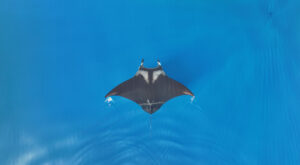
The health of the Hauraki Gulf Marine Park depends on the vast, unprotected high seas where local species like the Oceanic Manta Ray feed. Because migratory wildlife doesn’t recognise borders, ratifying the High Seas Treaty is essential for New Zealand to turn global intentions into local protection, ensuring our coastal restoration is supported by a healthy, connected ocean.
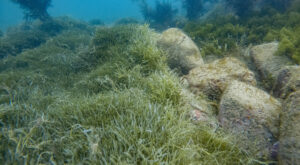
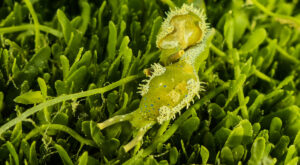
While scientists are diligently working on technology to eradicate exotic Caulerpa, a surprising discovery has been made – a new species of snail nestled within the weed.
The grounding of a commercial fishing vessel in the Hauraki Gulf featured a fantastically rapid emergency response. A follow up dive survey features another crisis aided by glacial political inaction.
A major argument against the proposed increase in marine protection in the Hauraki Gulf is that it will simply increase pressure and drive fish stocks down in the surrounding areas. Available data and published literature provides strong evidence that these concerns regarding “displaced fishing effort” are likely overstated.
Matt Rayner reveals the alarming decline of the kawau tikitiki / spotted shag in the Hauraki Gulf. Research from the Auckland Museum underscores broader ecological challenges in the Gulf, emphasising an urgent call for ecosystem-wide restoration and collaboration.