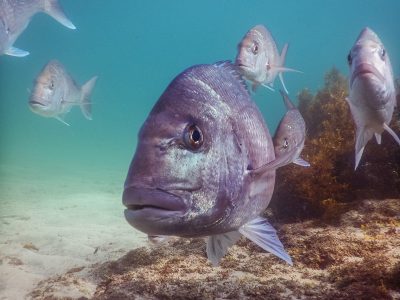
A genetic study comparing snapper inside and out of Cape Rodney-Okakari Point Marine Reserve (Goat Island) has found that the reserve contributes 10 times more juveniles snapper than if it was not a reserve.
Offspring of spawning adults from the reserve were found up to 40km away.
Read more here
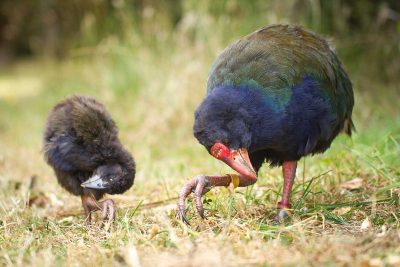
The coalition government’s 2018 budget includes a $181.6m increase in funding for the Department of Conservation over four years, a 16 per cent increase on the current departmental allocation. It includes $81.6m for landscape-scale predator control. The budget has also allocated funding to support an independent review into the fisheries management system as well as to upgrade fisheries monitoring and compliance efforts.
Read more here
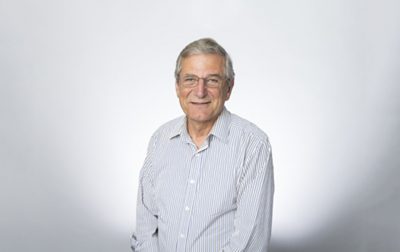
Waiheke Local Board member John Meeuwsen has been elected the new Chair of the Hauraki Gulf Forum. He becomes the fourth chair in the Forum’s 18-year history, replacing Mayor John Tregidga after a term of 11 years.
John Meeuwsen spoke to Our Auckland about his background, interests and aspirations for the Forum.
Read the interview here
Waiheke Local Board member John Meeuwsen has been elected the new Chair of the Hauraki Gulf Forum. He becomes the fourth chair in the Forum’s 18-year history, replacing Mayor John Tregidga after a term of 11 years. John Meeuwsen spoke to Our Auckland about his background, interests and aspirations for the Forum.
How long have you been a member of the Hauraki Gulf Forum, and what drew you to want to be a member of the Forum?
I was elected to the Waiheke Local Board late in 2013.
All members of our Board were newly elected, so it was a little while before we were able to see beyond the day to day issues facing the Local Board – a big learning curve.
I moved into the Waiheke Local Board seat on the Hauraki Gulf Forum in 2014 or early 2015. I was drawn to it after witnessing the steady decline in the health of the Gulf’s marine life since my first visit in 1975.
My wife’s family had a batch at Maraetai, from when it was first developed in 1924, and my children spent most holidays there starting in the 1980’s. Trips from Maraetai on the family boat took us to Waiheke, often to meet friends. That familiarisation helped me to decide to “retire” to the island in 2011.
Waiheke’s community is, of course, vitally interested in the state of the Gulf, and use its foreshore and waters frequently.
Early in our last term the Waiheke Local Board organised a ferry trip for a large number of people, including Forum members and lots of school students. They were addressed by a range of experts on the Gulf, as we circumnavigated Waiheke, and visited neighbouring islands in the Local Board’s constituency.
In 2015 we commissioned a formal survey, by Colmar Brunton, on the views of Waiheke residents and ratepayers on marine protected areas and ‘no take’ reserves. There was overwhelming support for marine reserves and for a large portion of the waters around Waiheke to be placed under protection. I hope to make this happen in my time as Chair.
What have been areas of interest and focus for you within the remit of the Forum to-date?
One of the main purposes of the Forum is to promote conservation and sustainable management of the Gulf. I have been keen to improve the Forum’s role and credibility as an advocate for the enhancement and protection of the state of the Gulf. Also to improve the poignancy of its messages on the need for action to remediate threats to its overall health.
Increasing marine reserves and Marine Protected Areas, improving water quality, and reducing the impacts of fishing will be the key focus points for the Forum going forward.
What are your hopes and expectations of the Forum over the next few years?
The scene is well set for more proactivity by the various agencies who are members of the Forum. The evidence is incontrovertible now that the Gulf is continuing to go backwards on most environmental indicators, and that pressure of population and development is increasing the challenge and urgency to act more comprehensively.
Auckland and Waikato Regional Councils have set up dedicated teams to address Gulf issues and are beefing up their 10-year plans to accommodate the expenditure needed.
The technical staff they employ to develop solutions to complex environmental issues are keen to get cracking on more systematic, co-ordinated action plans.
The Minister of Conservation is the Minister responsible for the Hauraki Gulf Marine Park Act. The current Minister, the Hon. Eugenie Sage, has indicated that she will put greater focus on the Department of Conservation’s role in the Gulf, and to working with other Ministers with responsibilities relevant to the Gulf.
The Government has established dedicated Fisheries and Biosecurity agencies which should strengthen its ability to respond to challenges and remediation.
I hope to use the skills I have of gained from chairing boards and in management, to contribute to achieving better “integrated management” among the agencies involved.
This is a core reason for the existence of the Forum.
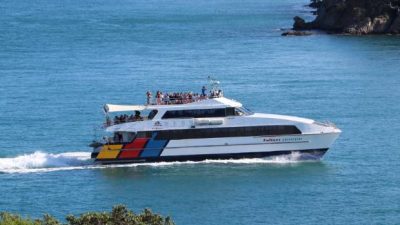
Ngāi Tai ki Tāmaki Tribal Trust will get their day in court as they seek the sole rights to run tours on Rangitoto and Motutapu islands.
Currently Fullers Group Ltd have rights to transport and run tours, the Motutapu Island Restoration Trust to run tours with permission from the Conservation Department, with Ngāi Tai also running small tours. The Trusts appeal had been declined by the Appeals Court but can now go ahead after this Supreme Court ruling.
Read more here
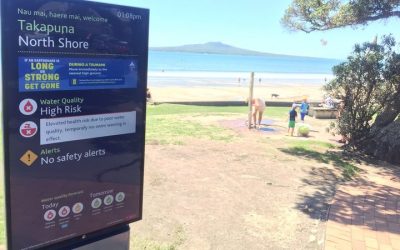
It’s not been plain sailing over summer with water quality causing headaches for surf lifesavers across the city. Auckland Council’s new SafeSwim monitoring network, is much more accurate than the old monitoring system. With some beaches unsafe for swimming for days on end, this saw many surf lifesaving events cancelled.
Surf lifesavers monitor the events, but were refusing to oversee any at beaches deemed unsafe for swimming. Organisers are now concerned these types of events will no longer be viable and put ocean swimming off the cards for many.
Read more here
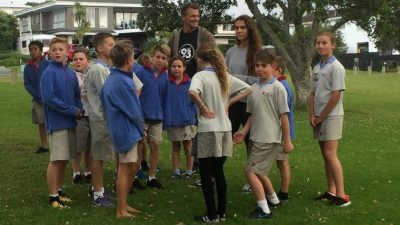
Snells Beach school children were stars of a new short film by Young Ocean Explorers Steve Hathaway and daughter Riley as part of the 1+ A Day anti-plastic campaign. With funding from the Hauraki Gulf environmental Innovation Fund (GIFT) run by Foundation North, the marine adventurers hope to inspire youngsters to pickup plastic on the streets and in parks, before it gets into the sea.
Read more here
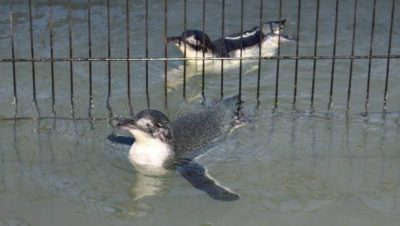
They were saved from starvation and fell in love while they recovered in captivity on Waiheke Island. But there was an emotional dilemma for the little blue penguins at the heart of this love story when one was ready to be released but the other wasn’t.
Find out what happened …
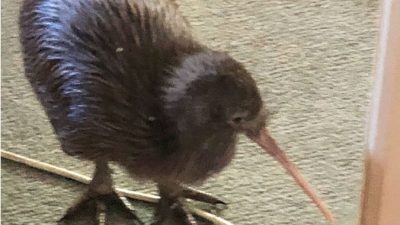
A Whangarei couple got the surprise of their lives when a kiwi popped in for a visit. The young bird, raised on Motuora Is and recently released in the area, wandered into their Maunu home and decided to have a look around. With the Pukenui Forest 500 metres away the little wanderer had to cross a busy road to reach its preferred digs.
Read more here
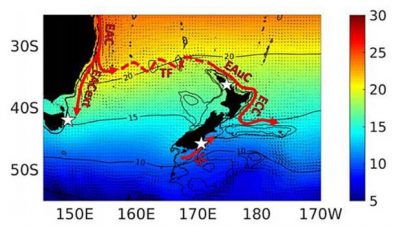
There is little good news with climate change, but altered currents off Australia’s coast will surprisingly see Hauraki Gulf water temperatures stay much as they are for some time. The downside is our southern coastline waters are warming up. Normally, the warm East Australian current ambles across the Tasman Sea bringing warmer water to the east coast of the North Island. This accounts for much of the teeming diversity of sea life found around the Poor Knights Islands Marine Reserve.
The warmer water extends south through the Hauraki Gulf. But the East Australian current is getting pulled further south under climate change, diminishing the flow across the Tasman Sea…
Read more here
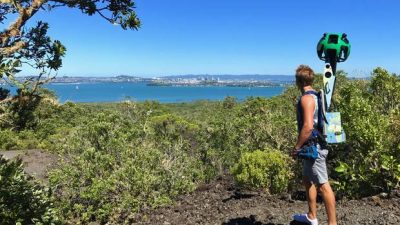
Armchair explorers internationally will now able to sample the visual delights of Rangitoto Island and Tiritiri Matangi Island. Google sent a hiker with a packpack loaded up with 15 lenses to the two islands recently, with the resulting 360-degree panaroamic images now loaded onto its Street View site.
The volcanic landscape of Rangitoto and the wildlife sanctuary of Tiritiri Matangi are already favourites for overseas visitors to the Gulf, with Auckland Tourism, Events and Economic Development (ATEED) getting onboard with Google for this venture.
Read more here
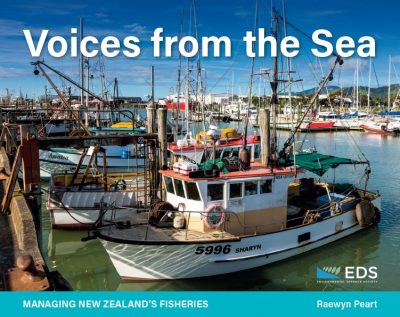
Fisheries and critics fronted to a panel discussion last week on whether a government inquiry was needed to overhaul of the 30-year-old quota management system.
Organised by the Environmental Defence Society, the event also saw the author of recently released book Voices from the Sea, Raewyn Peart explain the findings of her study, which had led to the publication calling for change.
While most panel participants, including Sanford Fisheries head Volker Kuntzsch, agreed work was needed on the inshore fishery, not everyone thought an enquiry was needed to achieve change.
Read more here
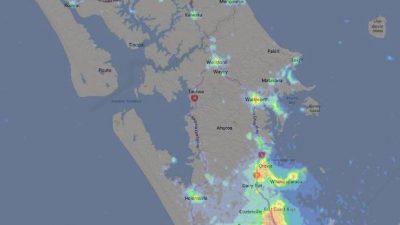
When Aotea Great Barrier Island was awarded International Dark Sky Sanctuary status last year, it caused quite a stir. It is just one of three places globally to gain the designation and the first island. With off grid power, no street lighting, large areas of conservation land, and being 90 kilometres form central Auckland, it proved to be a winner. Folk on the Barrier have taken to their new status with pride, including seeing it as a piece of the island’s tourism pie.
Nalayini Davies, the scientist who set the island on the road to its new found status, sees access to clear night skies as conservation on a cosmic scale.
She sees dark sky possibilities for Rodney in north Auckland and other areas around the Gulf, but says action needs to be taken before increased development gets underway – so conserving dark night skies is taken into account with council planning.
Read more here
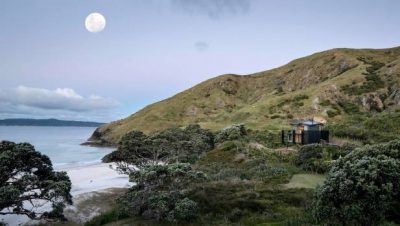
Stamping your personality on to a new home took on a whole new meaning for one family on the Coromandel.The award winning wilderness bach at Otama Beach on the Coromandel Peninsula has the family’s DNA patterns included in one of the house’s design features. Designed by Architect Ken Crosson The DNA House has been likened to a spaceship and recently won a Housing Award in the 2018 NZIA Waikato/Bay of Plenty Architecture Awards.
Read more here
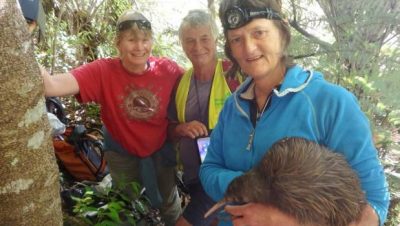
Young kiwi have been returned to the wild on the Thames coast at Te Mata. The 19 youngsters were taken from the area, while still in their eggs, to be hatched in the safety of Auckland Zoo. They grew up on Rotoroa Is until heavy enough to fend off predators before being returned to their original wilderness home.
Read more here
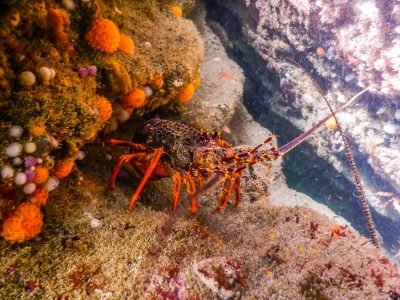
While they agree with a reduction to the crayfish catch is needed in the Hauraki Gulf and Bay of Plenty, commercial fishers are concerned at the size of the cuts.
Fisheries Minister Stuart Nash has cut the allowable catch from 200 tonnes to 80 tonnes. This will see earnings drop by about 60 percent and see commercial vessels forced off the water, Rock Lobster Industry Council CEO Mark Edwards says.
This follows a grim assessment of the state of the CRA 2 fishery.
Read more here
A study on the cause of death of hundreds of thousands of cockles in the Long Bay Okura Marine Reserve has found they are environmentally stressed rather than diseased.
Though not conclusive on any one cause, struggling with sediment issues is a possibility the MPI report found on a major die-back that occurred at the reserve in March. Advocates for the reserve have long maintained sediment from large scale development earthworks, backing onto the reserve, are having a serious affect on the health of the reserve.
Read more here
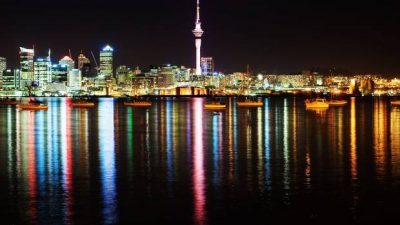
Increasing the number of visiting cruise ships and targeting passengers is just part of a new tourism strategy for Auckland by Council’s tourism agency ATEED. There are hopes of nearly double the $8 billion coming into the city from tourism by 2025. But rather than massively more tourists, the aim is to attract more higher paying ones, including from conventions and cruise ships. Building the “night-time” economy is a priority as is encouraging local events to attract off-season visitors. There is a focus on “destination management” which concentrates on the quality and sustainability of attractions.
Read more here
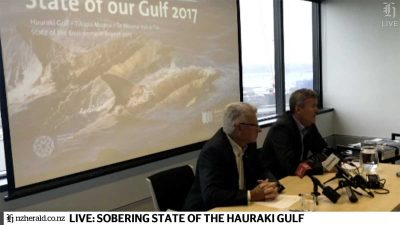
Hauraki Gulf leaders are hopeful new Conservation Minister Eugenie Sage will pick up the baton for action in the latest State of the Gulf report and help implement a spatial plan for the park.
A lack of legal teeth, regulatory headaches, slow action and conflict continue to get in the way of meaningful change in the Hauraki Gulf Marine Park according to the recently released 2017 report.
This is the third environment report detailing the ongoing decline of the 1.2 million hectare park. Advocates say conflicts between the Fisheries Act and Resource Management Act need to be sorted out and the collaborative Sea Change Tai Timu Tai Pari spatial plan implemented.
Read more here
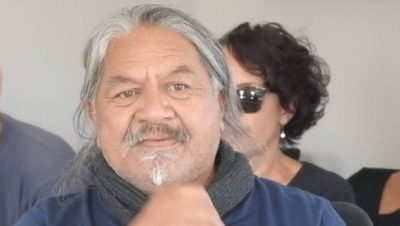
Ancient Maori bones unearthed on Waiheke Island are being kept at the police station ahead of reburial. More extreme weather events are leading to erosion and cliffs slipping on the island, and presenting a problem for local iwi Ngāti Paoa. Some of these bones being exposed are on private properties, but not all landowners are comfortable about them remaining on site. Ngāti Paoa representatives have approached the Waiheke Local Board to create new burial sites.
Read more here

